Never move a tank with water or gravel still in it. Save as much of the old tank water as you can, keep the filter media wet in that water, move the fish in sealed containers with air, and set the tank up again the same day using the old water. Done properly, the fish are back in their own water within a few hours.
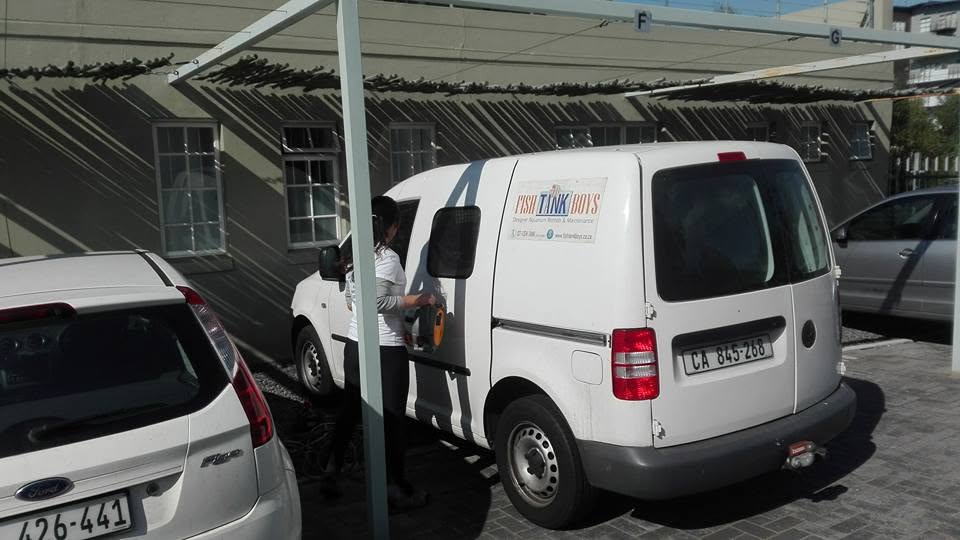
Why moving a fish tank is risky
- Weight. One litre of water weighs about a kilogram. A 200 litre tank with gravel, rock and the stand can weigh well over 250 kg. Lifting that even a few centimetres strains the glass seams.
- The glass is built to stand still. Aquariums are designed to hold water while sitting level and supported. Carried with water or gravel inside, the silicone joints flex and can start to leak later, sometimes days after the move.
- The good bacteria live in the filter and gravel. They're what keeps fish waste from poisoning the water. Let them dry out or rinse them in tap water and the tank has to "start over", which is when fish die.
- Temperature and stress. Tropical fish need warm, stable water. A cold car, a long wait or a bumpy ride all add up.
When to call in a professional
A small tank under about 60 litres is a manageable DIY job if you follow the steps below. We'd recommend getting help when:
- the tank is longer than about a metre, or over 100 litres
- it's built into a cabinet or wall unit, or has a sump underneath
- it's going up or down stairs
- it's an office or reception tank that has to move with minimum disruption to the business
- the fish are big, old or valuable
The week before: preparation
- Choose the new spot. A level, strong floor, close to a plug, out of direct sunlight and away from aircon vents and doors. Check there's room behind and above the tank to work on it.
- Check the stand. Use a spirit level. If the stand wobbles or the floor slopes, sort it out before moving day, not with a full tank on top.
- Do a normal water change two or three days before so the water you save is in good condition.
- Stop feeding 24 hours before the move. Fish produce less waste while they travel, which keeps the transport water clean. Healthy fish are fine without food for a day or two.
- Plan the timing. The tank should be empty, moved and running again on the same day. For offices, this usually means after hours or on a weekend.
The tools you'll need
This is the kit we bring to every move. If you're using us, you don't have to buy any of it.
| Item | What it's for |
|---|---|
| Clean buckets and sealed water drums | Saving the old tank water. They must never have held soap or chemicals. |
| Insulated cooler boxes with lids | Moving the fish in the dark at a steady temperature. |
| Battery-powered air pumps | Keeping oxygen in the fish containers while the power is off. |
| At least two nets, plus spares | One net guides, one catches. Big tanks need two people catching, so four nets. A spare matters when a net tears. |
| Siphon hose and transfer pump | Draining and refilling quickly without spills. |
| Thermometer and water conditioner | Matching temperatures and treating any new top-up water. |
| Spirit level, padding and moving blankets | Levelling the stand and protecting the glass in the vehicle. |
| Trolley or dolly | Moving the empty tank and stand without lifting more than you need to. |
A real move, start to finish
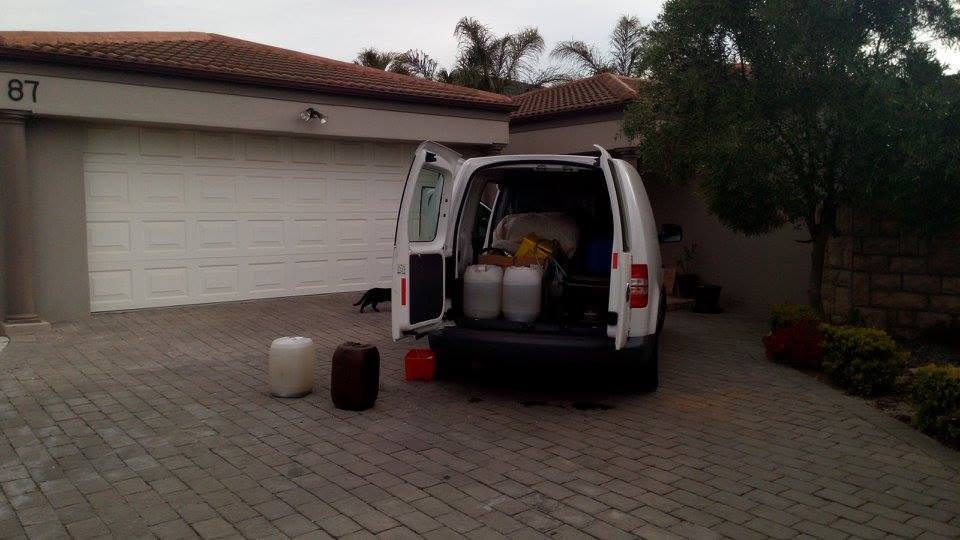
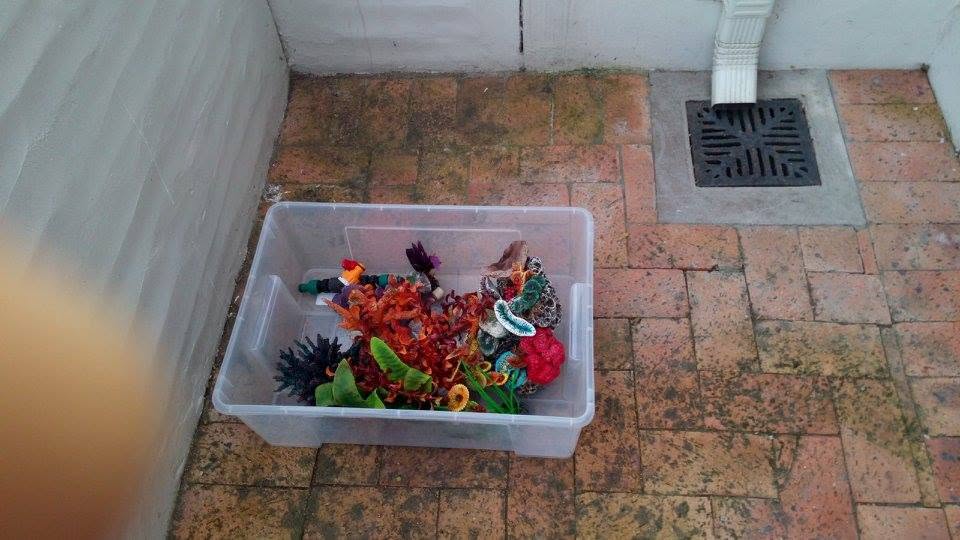
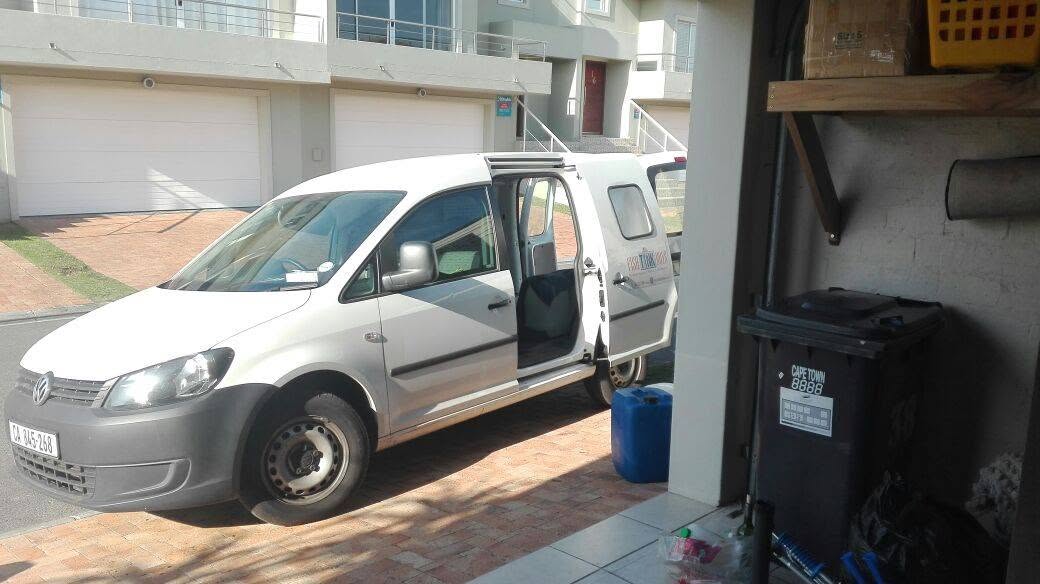
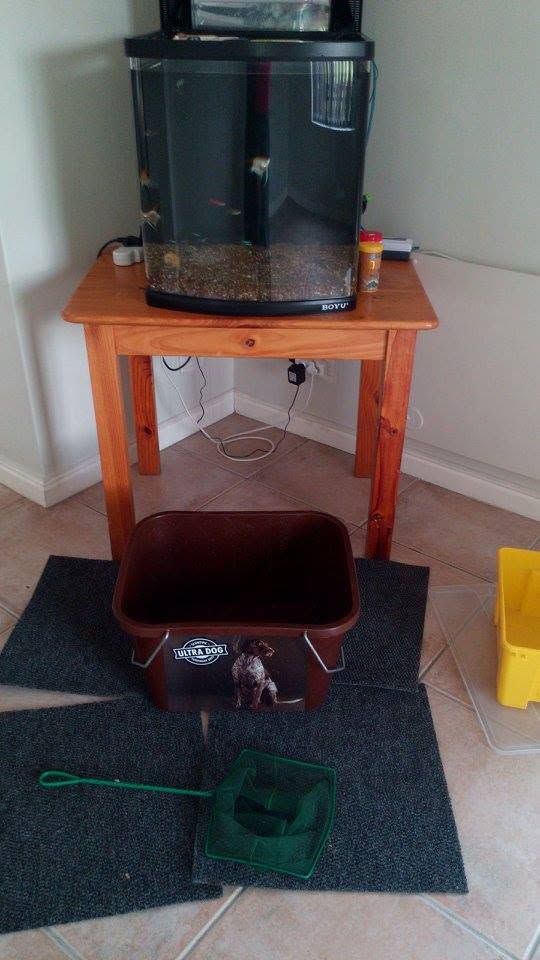
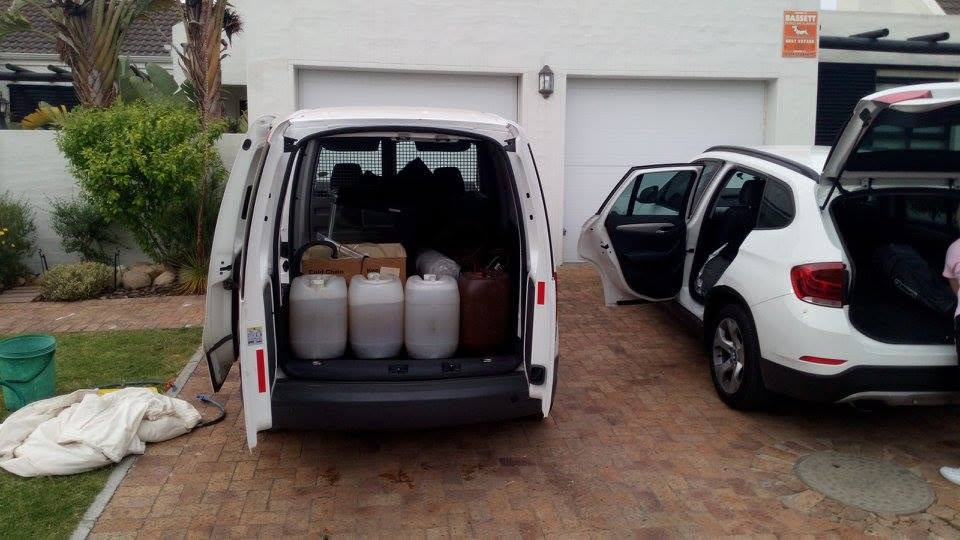
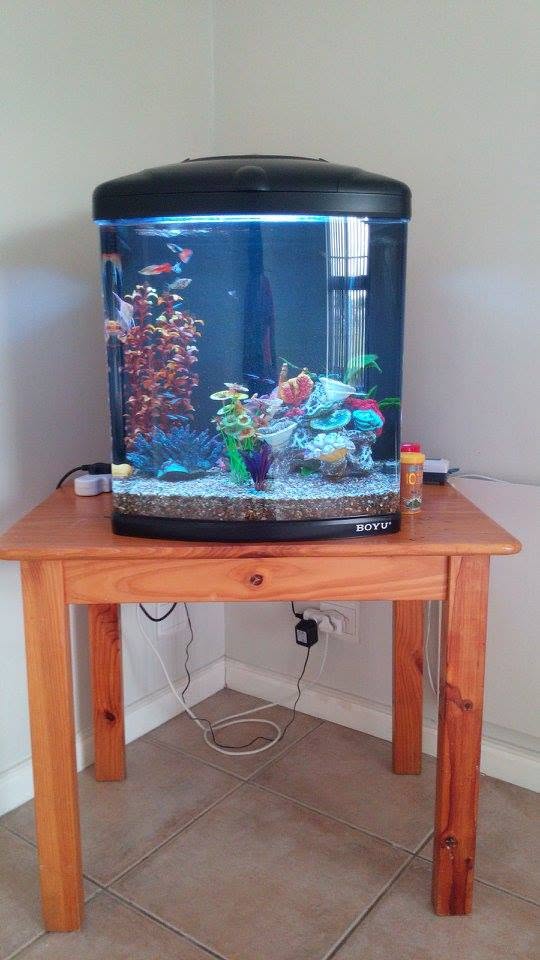
These photos are from one of our relocations: the tank's own water saved in sealed drums in the caddy, the decor packed separately, and the tank set up and running again the same day.
Moving day, step by step
- Switch off and unplug everything. Unplug the heater first and leave it in the water for 15 minutes to cool. A hot heater pulled into the air can crack.
- Save the water. Siphon as much of the tank water as you can into clean, sealed containers. We aim to keep 60 to 80% of it. This water holds your tank's settled chemistry, and putting the fish back into it is the single biggest thing that reduces stress.
- Catch the fish. Lower the water level first, which makes catching easier and calmer. Use two nets, never chase fish around the tank for long, and put them straight into containers of their own tank water with a battery air pump running. Don't overcrowd, put the lid on and keep them dark.
- Protect the filter. Put the sponges and filter media into a container of tank water. Never let them dry out and never rinse them under the tap. A canister filter can stay full of tank water with the taps closed.
- Bag the plants and pack the decor. Live plants go into bags with a little tank water. Wrap rocks and wood so they can't knock the glass.
- Take out the gravel or sand. Scoop it into buckets and keep it damp. Never move a tank with substrate in it.
- Move the empty tank. Two or more people, carrying from underneath, never by the top rim. Keep it upright and level, padded in the vehicle and out of the sun.
- Set up in the new spot. Stand level, tank on its mat, substrate back in, then rocks, wood and plants.
- Refill with the old water and top up with fresh tap water treated with conditioner, at roughly the same temperature.
- Restart the equipment. Filter on with its saved media. Put the heater in and wait 15 to 30 minutes before switching it on.
- Return the fish. Float the fish containers or bags in the tank for 15 to 20 minutes so the temperatures match, then release them gently. Keep the lights off for the rest of the day.
After the move
- Don't feed on moving day. Feed lightly for the next few days.
- Test the water for ammonia and nitrite daily for the first week. If either reads above zero, do a small water change with conditioned water.
- Watch for signs of stress: hiding, fins held tight against the body, or gasping at the surface.
- Check the floor around the tank for any drips after 24 and 48 hours.
- Moving the tank with water or gravel still inside it
- Washing the filter under the tap "while it's out anyway"
- Refilling with all new water instead of the old tank water
- Switching the heater on before it's under water, or pulling it out hot
- Leaving the fish in their containers for hours while the tank is "sorted out"
How Fish Tank Boys moves a tank
We start by looking at the tank and both locations, in person or from photos and measurements. We plan the day so the tank is out of the water for as short a time as possible, then send a team of two to four people depending on the size. We bring all the kit listed above, keep your own water, set the tank up the same day and test the water before we leave. For businesses we can move after hours so the tank is running again before staff and customers arrive.
"Thank you so much for moving our monster of a tank to our new house. Our tank has never looked so good."
Catherine Marshall, Fish Tank Boys customer
Once it's settled in, the easiest way to keep it that way is monthly maintenance.
Moving house or office?
Tell us the tank size and where it's going, and we'll quote the move.