Aquarium equipment has become smarter, more efficient and better suited to South African conditions: app-controlled LED lights, phone alerts for temperature, battery backup for power cuts, tidy all-in-one tanks and healthier captive-bred fish. What hasn't changed is the water. No gadget replaces regular water changes and filter care.
1. LED lighting you can schedule
Modern LED lights use far less power than old tubes and many can be controlled from your phone, with a gentle sunrise and sunset and a set number of hours a day. Getting the light period right (usually around 8 hours for a tank without demanding plants) is one of the simplest ways to keep algae down.
2. Sensors that warn your phone
Small Wi-Fi monitors can track temperature, and some track pH, and send an alert when something drifts. For an office tank, or a home tank when you travel, an alert about a failed heater is worth a lot. Treat them as an early warning, not a replacement for a proper water test.
3. Backup power for load-shedding
Power cuts have pushed better backup options into the hobby: air pumps that switch to battery automatically, filters and pumps that run on low-voltage power, and small UPS units sized for a filter and heater. For South African tanks this is one of the most useful upgrades you can make. (See the biggest risks to a tropical tank.)
4. All-in-one and rimless tanks
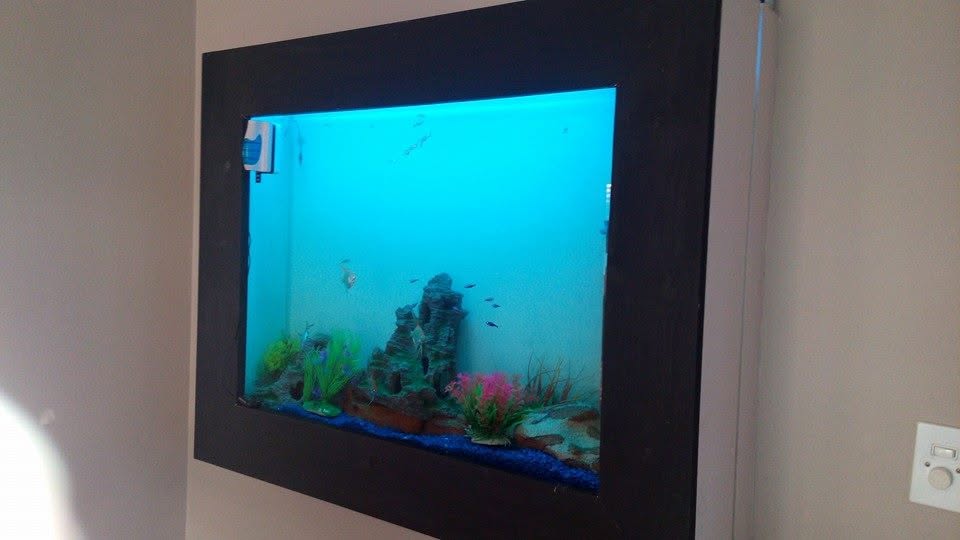
All-in-one tanks hide the filter and heater in a back chamber, and rimless tanks with clear, low-iron glass look cleaner in a lounge or reception area. They're tidy and modern, but the hidden filter chamber still needs cleaning, and that's often what gets forgotten.
5. Captive-bred fish and lab-grown plants
More fish are bred in captivity rather than caught wild. They're usually hardier, already used to aquarium food and better for the environment. Plants grown in sterile cups (tissue culture) arrive free of snails, pests and algae, so you don't bring problems into a clean tank.
6. Better foods
Good quality foods are more complete and produce less waste, which means cleaner water for the same amount of feeding. Cheaper foods often contain more filler, which ends up as waste in your filter.
What's worth it, and what isn't
| Worth it | Think twice |
|---|---|
| Battery backup air pump | Automatic feeders without supervision (easy to overfeed) |
| Scheduled LED lighting | Gadgets that promise "no more water changes" |
| Temperature alert sensor | pH controllers on a simple community tank |
| Captive-bred fish, tissue-culture plants | Cheap no-name heaters |
What hasn't changed
Fish still produce waste, and the only reliable way to remove it is a partial water change with properly treated water, a filter that's cared for, and someone keeping an eye on the whole system. That's what regular maintenance is for. If you're planning a new tank with modern equipment, we can help you choose kit that's easy to maintain. See custom aquarium design and project management.
New kit, same need for care
We maintain modern and traditional tanks across Cape Town, monthly.